
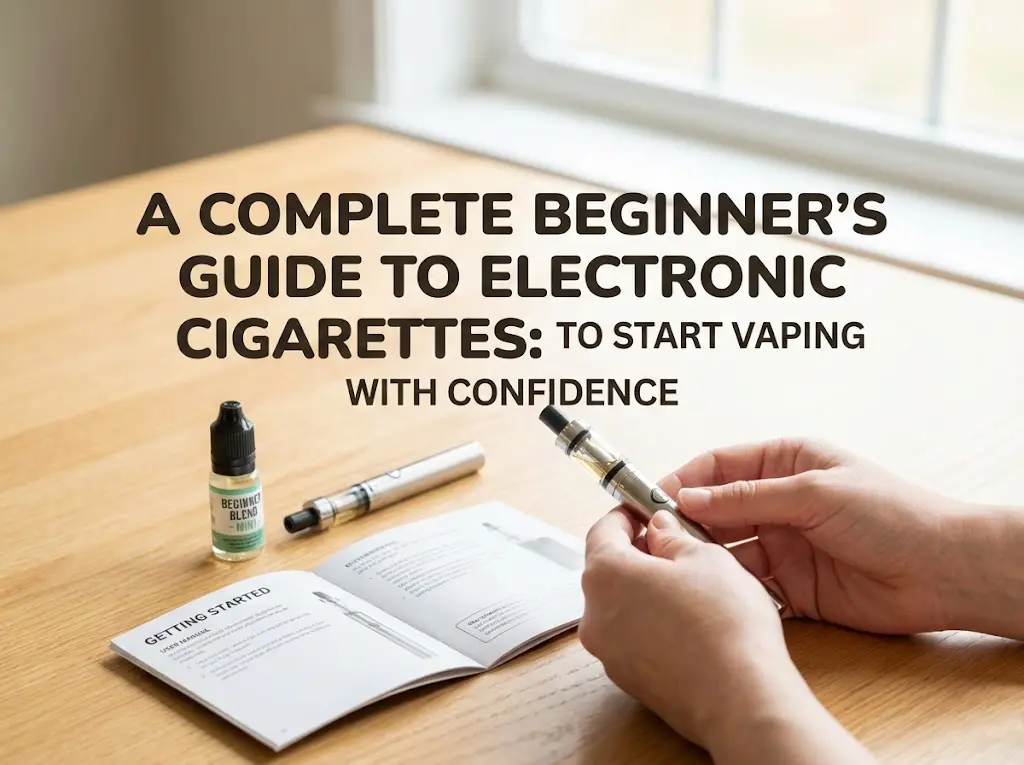
If you’re wondering how to start with electronic cigarettes and you’re entirely new to vaping, you’re not alone. Many beginners feel curious but also uncertain. Some people turn to vaping as an alternative to smoking, while others want to understand what electronic cigarettes are and how they work. Friends, family members, social trends, flavors, and cost are all common reasons people explore vaping for the first time.
There’s no need to feel overwhelmed. This complete beginner’s guide is designed to help you understand electronic cigarettes step by step, make informed choices, and start vaping safely and responsibly.
Key Takeaways
- Electronic cigarettes deliver nicotine through vapor, not smoke.
- Beginners should start with simple, low-maintenance devices such as pod systems or cig-a-likes.
- Choosing the right nicotine strength and e-liquid is essential for comfort and safety.
- Proper setup, inhaling technique, and maintenance improve your vaping experience.
- Battery safety and responsible use are critical, especially for new users.
What Are Electronic Cigarettes?
Definition and Purpose
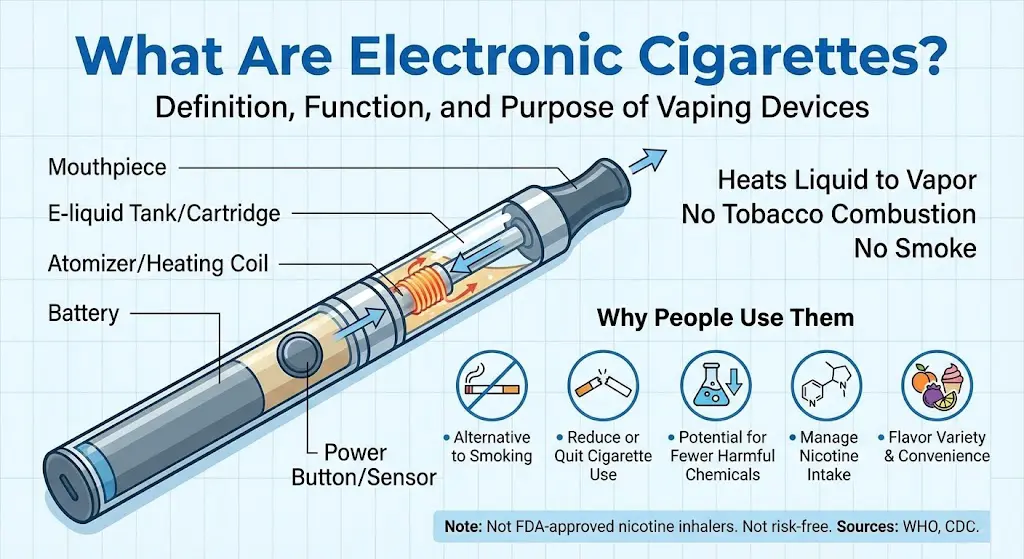
Electronic cigarettes, also known as e-cigarettes or vapes, are devices designed to heat a liquid and turn it into vapor that you inhale. Unlike traditional cigarettes, they do not burn tobacco and do not produce smoke.
Health organizations such as the World Health Organization and the Centers for Disease Control and Prevention describe e-cigarettes as nicotine delivery devices that operate differently from combustible tobacco products.
People use electronic cigarettes for several reasons:
- As an alternative to smoking
- To reduce or quit cigarette use
- Because they believe vaping may expose them to fewer harmful chemicals
- To manage nicotine intake
- For flavor variety and convenience
Electronic cigarettes are not FDA-approved nicotine inhalers, and they are not risk-free. However, understanding how they work helps beginners make more informed decisions.
How Do Electronic Cigarettes Work?
Electronic cigarettes use a simple mechanism:
- A battery provides power to the device
- Electricity heats a metal coil
- The coil warms the e-liquid
- The liquid turns into vapor
- You inhale the vapor through a mouthpiece
Some devices activate automatically when you inhale, while others require you to press a button. The amount of nicotine and vapor you receive depends on the device type, coil, and e-liquid used.
For beginners, it’s essential to know that vaping delivers nicotine differently from smoking. The sensation may feel familiar, but the rate of absorption and its intensity can vary.
Choosing the Right Device as a Beginner
Overview of Device Types
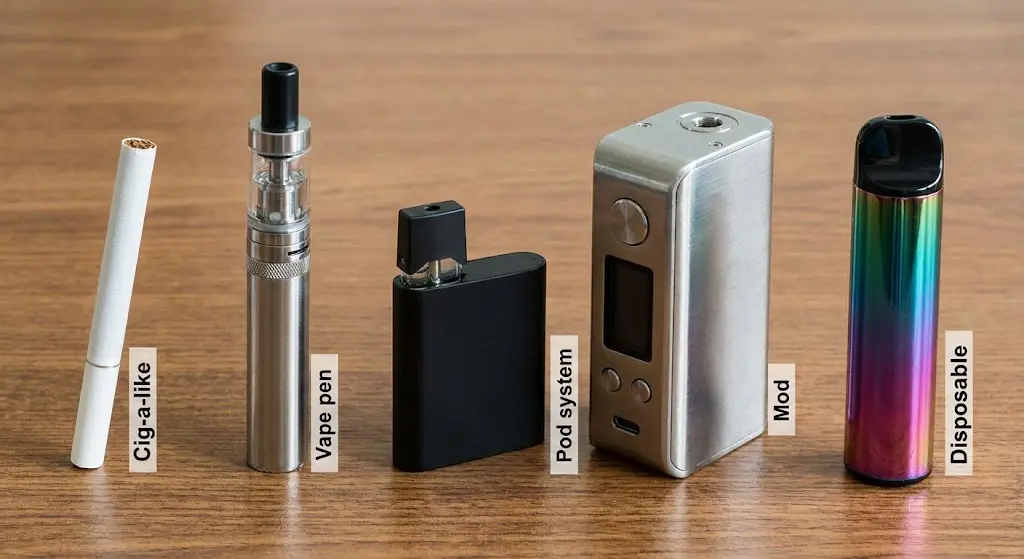
When shopping for your first electronic cigarette, you’ll encounter several device categories:
Cig-a-likes
These resemble traditional cigarettes in size and shape. They are intuitive and straightforward, making them appealing to first-time users.
Vape pens
Larger than cig-a-likes, vape pens offer longer battery life and refillable tanks. They provide more vapor but require slightly more maintenance.
Pod systems (pod vapes)
Pod systems are among the most popular beginner devices. They use small pods filled with e-liquid and are compact, portable, and easy to use.
Mods
Advanced devices with adjustable power and airflow. Mods are generally not recommended for beginners due to complexity.
Disposable e-cigarettes
Single-use devices that require no setup. They are convenient but less economical over time.
Pros and Cons of Common Beginner Devices
| Device Type | Pros | Cons |
| Cig-a-likes | Familiar feel, simple | Limited battery and vapor |
| Pod systems | Easy, consistent, portable | Pods must be replaced |
| Vape pens | More control, refillable | Slight learning curve |
| Disposables | No setup, instant use | Higher long-term cost |
Pod systems are currently the most popular choice among beginners due to their balance of simplicity and performance.
What Beginners Should Consider
When choosing a device, think about:
- Ease of use: Simple devices reduce frustration
- Nicotine delivery: Some devices deliver nicotine more efficiently
- Design: Familiar shapes help with the transition from smoking
- Flavor options: Availability varies by device
- Cost: Disposable devices cost less upfront but more long-term
- Usage habits: Frequent users benefit from refillable systems
Key Components Explained
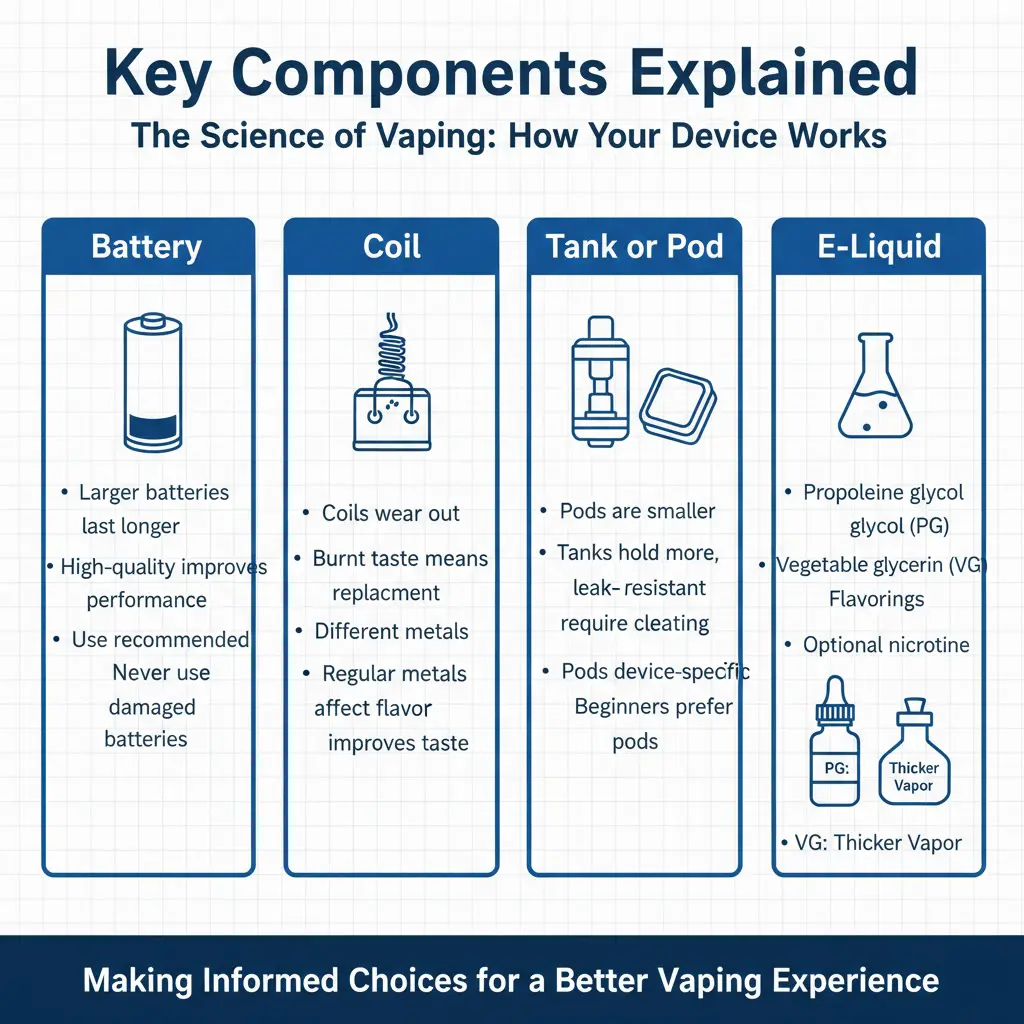
Battery
The battery powers your e-cigarette. Most devices use rechargeable lithium batteries.
- Larger batteries last longer between charges
- High-quality batteries improve safety and performance
- Always recharge using the recommended charger
Never use damaged batteries or expose them to heat or moisture.
Coil
The coil heats the e-liquid, turning it into vapor.
- Coils wear out over time
- A burnt taste usually means the coil needs replacing
- Different metals affect heating speed and flavor
Regular coil replacement improves taste and prevents unpleasant hits.
Tank or Pod
The tank or pod holds the e-liquid.
- Pods are smaller, simpler, and leak-resistant
- Tanks hold more liquid but require cleaning
- Pods are device-specific, and tanks are more universal
Beginners often prefer pods because they require less maintenance.
E-Liquid
E-liquid is the substance vaporized by your device. Most e-liquids contain:
- Propylene glycol (PG)
- Vegetable glycerin (VG)
- Flavorings
- Optional nicotine
PG provides throat hit, while VG produces thicker vapor. The balance affects the vaping experience.
Choosing the Right E-Liquid
Nicotine Strength
Selecting the correct nicotine level is crucial.
| Smoking History | Suggested Nicotine Level |
| Heavy smoker | Higher nicotine |
| Light smoker | Medium nicotine |
| Occasional smoker | Low nicotine |
| Non-smoker | Zero nicotine |
Starting too high may cause dizziness or nausea. Beginners should start low and adjust gradually.
PG/VG Ratio
- High VG: smoother vapor, larger clouds
- High PG: stronger throat hit
- 50/50 blends: balanced and beginner-friendly
Most beginners find 50/50 blends comfortable and easy to use with pod systems.
Flavor Selection
Flavor plays a significant role in enjoyment.
- Fruit and dessert flavors are popular with beginners
- Mint and menthol offer a cooling sensation
- Tobacco flavors appeal to those transitioning from smoking
Trying small bottles first helps you find your preference without waste.
Safe and Proper Use
Device Setup Steps
- Choose a beginner-friendly starter kit
- Charge the device fully
- Fill the tank or insert the pod
- Let the coil soak for several minutes
- Turn on the device (usually five clicks)
- Start with low power if adjustable
Always read the manufacturer’s instructions.
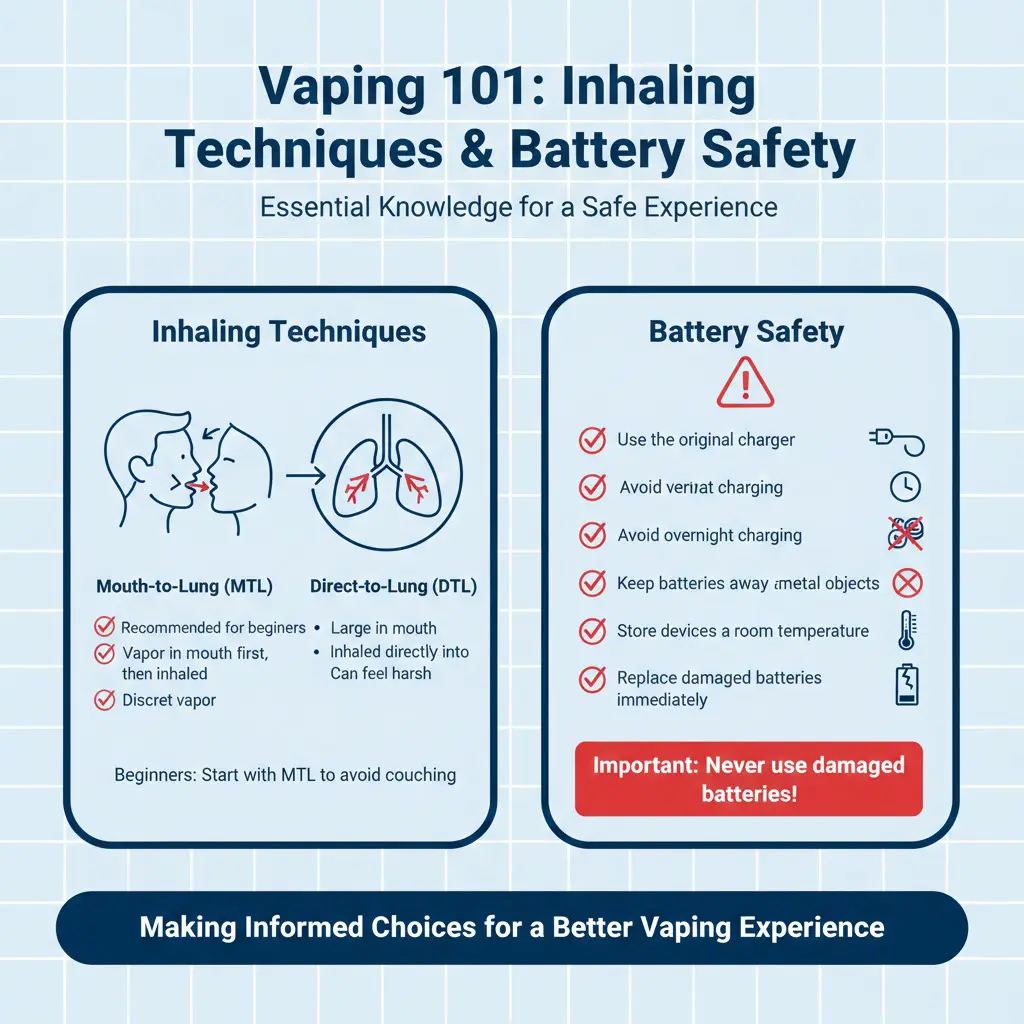
Inhaling Techniques
Mouth-to-Lung (MTL)
Recommended for beginners. Vapor is drawn into the mouth first, then inhaled.
Direct-to-Lung (DTL)
Inhaled directly into the lungs. Produces more vapor but may feel harsh.
Beginners should start with MTL to reduce coughing and discomfort.
Battery Safety
- Use the original charger
- Avoid overnight charging
- Keep batteries away from metal objects
- Store devices at room temperature
- Replace damaged batteries immediately
Battery safety is one of the most important aspects of vaping responsibly.
Maintenance and Troubleshooting
Cleaning and Care
- Clean tanks weekly with warm water
- Wipe battery contacts regularly
- Replace coils as needed
- Store devices in dry environments
Proper maintenance improves performance and extends device life.
Common Beginner Issues
- Burnt taste → replace coil
- Leaking → check seals and installation
- Weak vapor → recharge battery
- No vapor → clean connections
Most issues are easy to fix with basic care.
Beginner Tips: Avoiding Common Mistakes
Beginners often:
- Choose devices that are too complex
- Use incorrect nicotine strength
- Forgot to prime coils
- Skip maintenance
- Overuse nicotine
- Ignore safety instructions
Taking time to learn prevents frustration and improves the experience.
When to Seek Help
Stop vaping and consult a healthcare professional if you experience:
- Persistent coughing
- Chest pain
- Shortness of breath
- Nausea or dizziness
- Rapid heartbeat
Your health should always come first.
Final Thoughts
Starting with electronic cigarettes doesn’t have to be confusing. By choosing a beginner-friendly device, selecting appropriate e-liquid, and following safe practices, you can approach vaping with confidence and awareness.
Take your time, stay informed, and make choices that align with your comfort and well-being.
Frequently Asked Questions
How do I know when to change my coil?
A burnt taste or reduced vapor usually means it’s time to replace it.
Can I vape without nicotine?
Yes. Many e-liquids contain zero nicotine.
Is vaping safer than smoking?
Most experts agree that vaping exposes users to fewer harmful chemicals, but it is not risk-free.
What should I do if my vape leaks?
Check seals, avoid overfilling, and ensure the coil is installed correctly.
Can I take a vape on a plane?
Most airlines allow vapes only in carry-on bags. Always check airline rules.
You Can Read More
How to Do Vape Tricks (Step-by-Step Guide for Beginners)
Does Hookah Have Nicotine? How Much & Why It Feels Different