

Introduction: What Is MTL Vaping?
MTL vaping stands for mouth-to-lung vaping, a vaping style where vapor is first drawn into the mouth and then inhaled into the lungs. This inhale method closely mimics how people smoke traditional cigarettes, which is why MTL vaping is especially popular among beginners and former smokers
In broader terms, MTL vaping is a specific inhalation method used with electronic cigarettes, which are battery-powered devices that produce aerosol rather than smoke. According to Wikipedia’s overview of electronic cigarettes, different inhale styles affect how the vapor is delivered and experienced.
Compared to other vaping styles, MTL vaping produces smaller vapor clouds, offers more concentrated flavor, and delivers nicotine more efficiently per puff. For many users, mouth-to-lung vaping feels more controlled, discreet, and familiar.
What Does MTL Mean in Vaping?
In vaping terminology, MTL means “mouth to lung.”
This describes the inhale process:
- Vapor is drawn into the mouth
- Vapor is briefly held
- Vapor is inhaled into the lungs
This inhale pattern is very similar to smoking a cigarette, which is why many people switching from smoking naturally adapt to MTL vaping. Beginner-focused explanations, such as this MTL vs DTL vaping guide for beginners from OK Vape, describe mouth-to-lung vaping as the most intuitive style for new users.
How MTL Vaping Works
MTL vaping relies on restricted airflow, higher-resistance coils, and lower vapor output to control how vapor enters the mouth and lungs.
Key characteristics of MTL vaping include:
- Tight draw resistance
- Smaller vapor production
- Focused flavor delivery
- Lower power usage
From a health and aerosol standpoint, vaping works by heating e-liquid into an inhalable aerosol, not by burning material.
MTL vs DTL Vaping: What’s the Difference?
One of the most common questions among new users is the difference between MTL and DTL vaping.
MTL Vaping (Mouth to Lung)
- Tight draw
- Smaller vapor clouds
- Higher nicotine strength
- Cigarette-like inhale
DTL Vaping (Direct to Lung)
- Open airflow
- Larger vapor clouds
- Lower nicotine strength
- Deep lung inhale
A detailed breakdown of airflow, inhale technique, and vapor production can be found in this detailed MTL vs DTL vaping comparison from Vaping360, one of the most established educational resources in the vaping space.
MTL vs RDL Vaping (Restricted Direct Lung)
Between MTL and DTL sits RDL vaping, or restricted direct lung vaping.
- MTL: tightest draw
- RDL: semi-restricted draw
- DTL: fully open draw
Some users transition from MTL vaping to RDL vaping as they become more comfortable with airflow and vapor density. However, many long-term users continue to prefer mouth-to-lung vaping because of its balance between control and satisfaction.
Why MTL Vaping Is Popular with Beginners
MTL vaping is often recommended for beginners because it:
- Feels similar to smoking
- Reduces coughing
- Uses less e-liquid
- Conserves battery life
- Works well with higher nicotine strengths
Retail education articles, such as this mouth-to-lung vs direct-to-lung vaping guide from Ecigarette Direct, also highlight MTL vaping as the preferred option for new vapers transitioning from cigarettes.
MTL Vape Devices: What Works Best?
Not all vape devices are designed for mouth-to-lung vaping.
Devices that work best for MTL vaping:
- Pod systems with restricted airflow
- Low-wattage vape kits
- Mouth-to-lung tanks
Devices less suitable for MTL vaping:
- High-power box mods
- Cloud-focused sub-ohm tanks
Device airflow and draw resistance strongly affect the overall inhale experience. Guides like this explanation of throat hit vs lung hit in vaping from Vape Superstore help illustrate why tighter airflow is essential for true MTL vaping.
MTL Coils Explained
MTL vaping uses high-resistance coils, typically ranging from 0.8Ω to 1.8Ω.
These coils:
- Heats more slowly
- Operate at lower wattage
- Deliver smoother vapor
- Last longer than low-resistance coils
Using a coil designed for direct lung vaping in an MTL setup often results in harsh hits and poor performance.
MTL Airflow: Why It Matters
Airflow control is one of the most important factors in mouth-to-lung vaping.
MTL airflow characteristics include:
- Narrow airflow channels
- Adjustable tight draw
- Limited air intake
Proper airflow ensures that vapor is dense enough to carry flavor while remaining smooth during inhalation.
Best E-Liquids for MTL Vaping
MTL vaping performs best with specific e-liquid compositions.
Recommended PG/VG ratios:
- 50/50 PG/VG
- Slightly higher PG for stronger throat hit
Suitable nicotine options:
- Nicotine salts
- Low-to-medium freebase nicotine
Higher PG content helps carry flavor efficiently, which complements the lower vapor output of mouth-to-lung vaping.
Nicotine Strength and MTL Vaping
MTL vaping allows users to use higher nicotine strengths comfortably.
Typical nicotine ranges include:
- 6–12 mg freebase nicotine
- 10–20 mg nicotine salts
Because each puff is smaller and more controlled, mouth-to-lung vaping delivers nicotine efficiently without overwhelming the lungs.
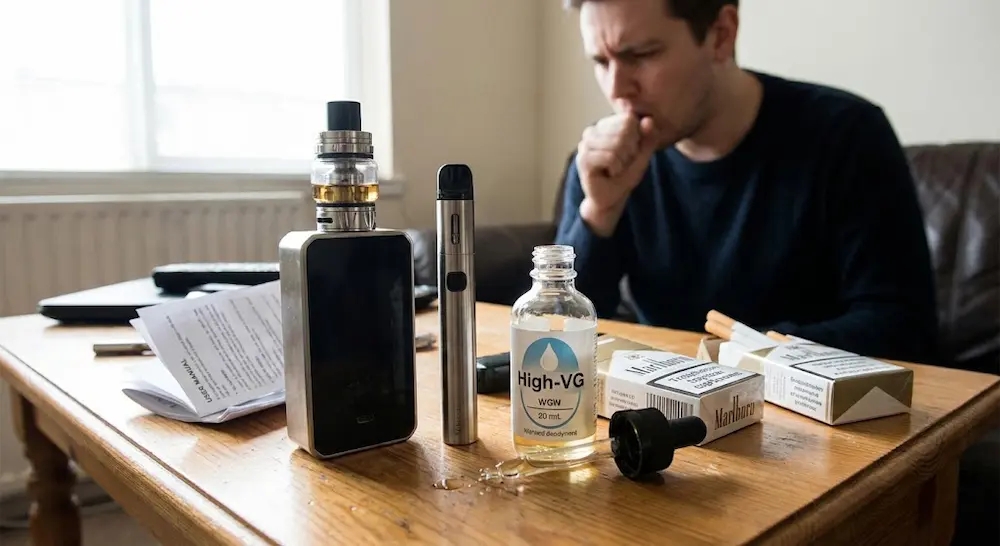
Common Mistakes New MTL Vapers Make
Common beginner mistakes include:
- Using sub-ohm coils
- Choosing a nicotine strength that is too low
- Opening the airflow too much
- Inhaling too quickly
Correcting these mistakes improves comfort, flavor clarity, and overall satisfaction.
Is MTL Vaping Better Than DTL?
MTL vaping is not objectively better than DTL vaping—it simply serves a different purpose.
MTL vaping is ideal for:
- Beginners
- Former smokers
- Discreet vaping
- Nicotine satisfaction
DTL vaping is better suited for experienced users who prefer large vapor clouds and lower nicotine levels.
SnagVape – Designed for Mouth-to-Lung Vaping
For many users transitioning from smoking, mouth-to-lung vaping feels more natural than other inhale styles. MTL vaping focuses on a tighter draw, controlled vapor, and a familiar cigarette-like inhale, making it ideal for former smokers.
SnagVape’s MTL-friendly devices and e-liquids are designed around these principles. By emphasizing restricted airflow, higher-resistance coils, and balanced nicotine delivery, SnagVape supports a smoother transition from smoking to vaping without overwhelming vapor production.
Frequently Asked Questions (FAQ)
What is MTL vaping?
MTL vaping means mouth-to-lung vaping, where vapor is drawn into the mouth first and then inhaled into the lungs.
Is MTL vaping good for beginners?
Yes. MTL vaping is widely considered the best vaping style for beginners and former smokers.
What nicotine strength is best for MTL vaping?
Most users prefer 6–12 mg freebase nicotine or 10–20 mg nicotine salts.
What is the difference between MTL and DTL vaping?
MTL vaping uses a tight draw and smaller clouds, while DTL vaping uses open airflow and larger vapor production.
Can I use any vape device for MTL vaping?
No. Mouth-to-lung vaping requires devices, coils, and airflow designed specifically for MTL use.
Does MTL vaping use less e-liquid?
Yes. MTL vaping consumes less e-liquid than direct lung vaping due to lower vapor output.
You Can Read More
Why New Vapes Often Have Little to No Flavor at First
Can Vaping Cause Nausea? Causes, Symptoms, and What to Do
Comparing Electronic Cigarettes and Smoking for Health Risks